Allah is beautiful and loves beauty
A reflection on the hadith “Allah is beautiful and loves beauty,” and what it teaches about beauty in Islam through creation, character, worship and ihsan.

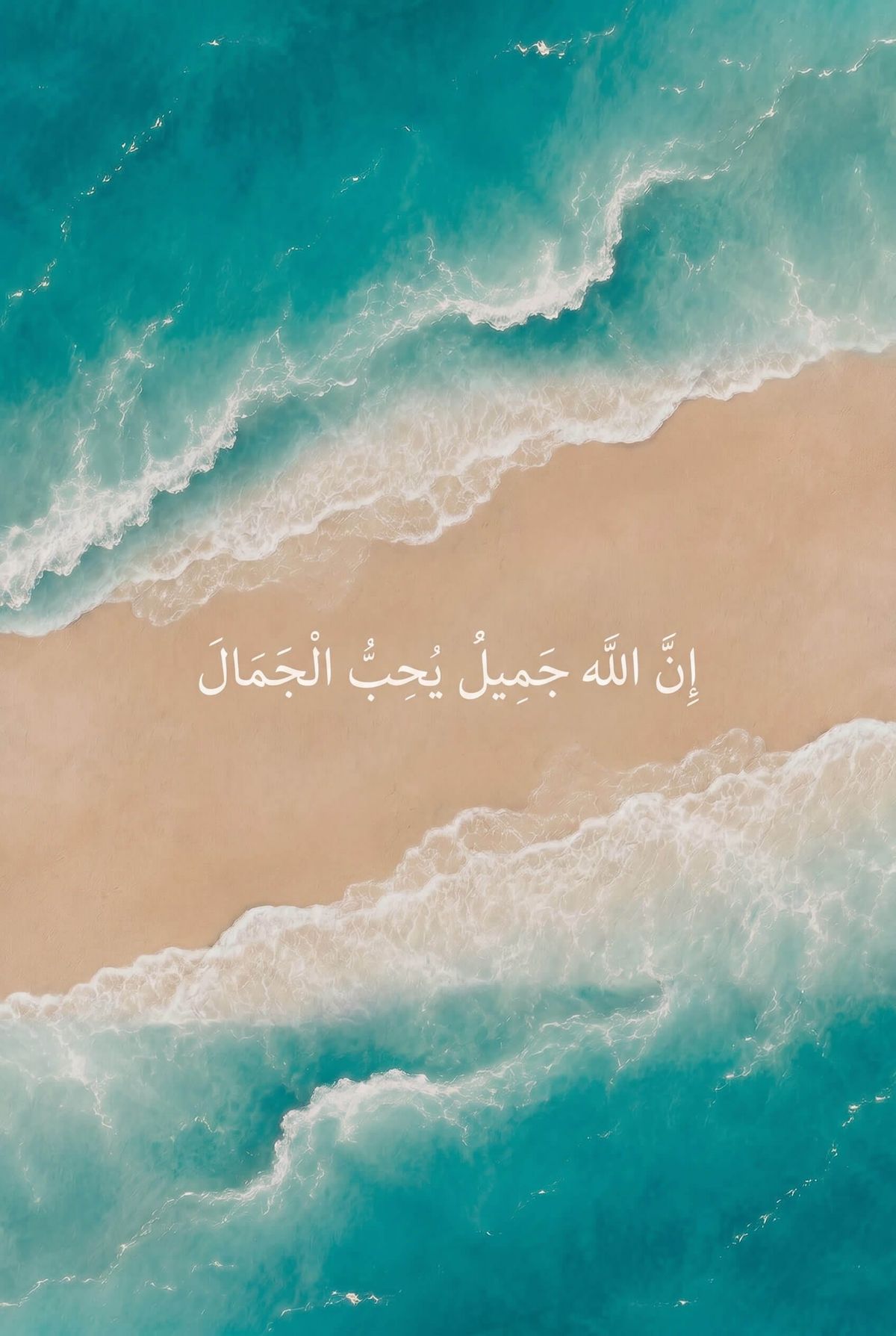
“Allah is beautiful and loves beauty” is one of the most loved hadiths about beauty in Islam.
In Arabic, this part of the hadith is:
إِنَّ اللَّهَ جَمِيلٌ يُحِبُّ الْجَمَالَ
Allah is beautiful and loves beauty.
Many people come across this hadith while searching for the Islamic meaning of beauty, or a hadith about beauty in Islam. It is a beautiful place to begin because the hadith gives beauty a wide meaning.
It speaks about appearance, yes, but also much more than appearance. It opens a way to understand beauty through Allah: in creation, in character, in worship, in the home, in language, in art, and in every act done with ihsan.
Beauty begins with Allah. We see signs of it in the world He created, in the Quran, in good character, in prayer, and in the care we place into ordinary life.
In this post, we look at the meaning of the hadith “Allah is beautiful and loves beauty,” its Arabic wording, its source, and how beauty appears in Islam through creation, character, worship, homes, art and ihsan.
Quicklinks
- The hadith: Allah is beautiful and loves beauty
- Source of the hadith
- Allah is beautiful | إِنَّ اللَّهَ جَمِيلٌ
- Allah loves beauty | يُحِبُّ الْجَمَالَ
The hadith: Allah is beautiful and loves beauty
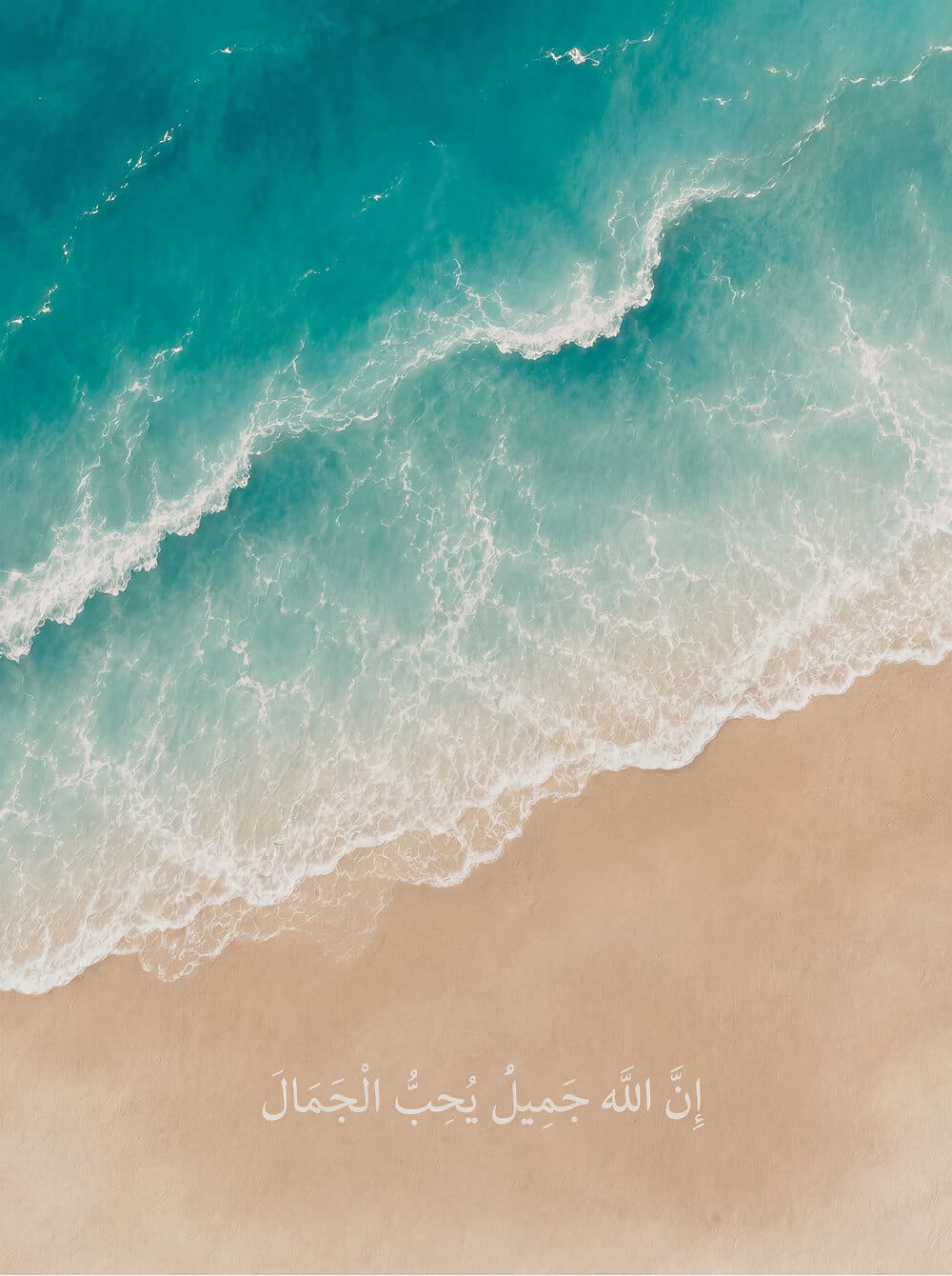
Arabic:
إِنَّ اللَّهَ جَمِيلٌ يُحِبُّ الْجَمَالَ
Transliteration:
Inna Allaha jameelun yuhibbul jamaal.
Translation:
Allah is beautiful and loves beauty.
The context of the hadith
This famous hadith comes from a wider conversation about arrogance.
The Prophet ﷺ said that no one with even a small amount of arrogance in the heart would enter Paradise. Hearing this, one of his companions asked a very human question: what if a person likes his clothes to look beautiful and his shoes to look beautiful?
The Prophet ﷺ answered:
إِنَّ اللَّهَ جَمِيلٌ يُحِبُّ الْجَمَالَ
Allah is beautiful and loves beauty.
He then explained what arrogance actually means:
بَطَرُ الْحَقِّ وَغَمْطُ النَّاسِ
Rejecting the truth and looking down on people.
This matters because the original topic was arrogance. The Prophet ﷺ separates arrogance from the love of beauty, then goes further by saying that Allah is beautiful and loves beauty.
So the hadith gives beauty a serious place in Islamic life, while keeping the heart at the centre. Arrogance is not found in the clothes or shoes themselves. It is found in rejecting truth and looking down on people.
Other narrations carry a similar meaning. Jafar al-Sadiq described arrogance as ignoring the truth and treating people as beneath you. Other narrations also connect beauty with clean clothing, fragrance, a cared-for home, and showing gratitude for Allah’s blessings.
Source of the hadith
Allah is beautiful | إِنَّ اللَّهَ جَمِيلٌ
Beauty begins with Allah. But because the human mind is limited, we cannot fully grasp what His beauty means.
When we say Allah is beautiful, we are speaking about a beauty that is perfect, eternal and beyond comparison. His beauty is connected to His beautiful Names and attributes: His mercy, His knowledge, His forgiveness, His wisdom, His truth, and the order He places in creation.
We see signs of this beauty in the world around us: in the ocean, in the food on the table, and in the way creation works with order and harmony. We see it in how a small creature like the bee helps sustain life, how the human body functions, and how life moves through birth, growth, ageing and renewal.
Every beauty we recognise in the world is created, changing and limited. A flower blooms and fades. A day turns to night. The sea changes from one moment to the next. Allah’s beauty, on the other hand, is perfect, eternal and beyond comparison.
The beauty within
There are times when beauty feels harder to see. The world can feel heavy, and outward beauty can feel hidden from view.
In those moments, we can also look at the beauty Allah allows to grow within the human being: sincerity, patience, humility and good character.
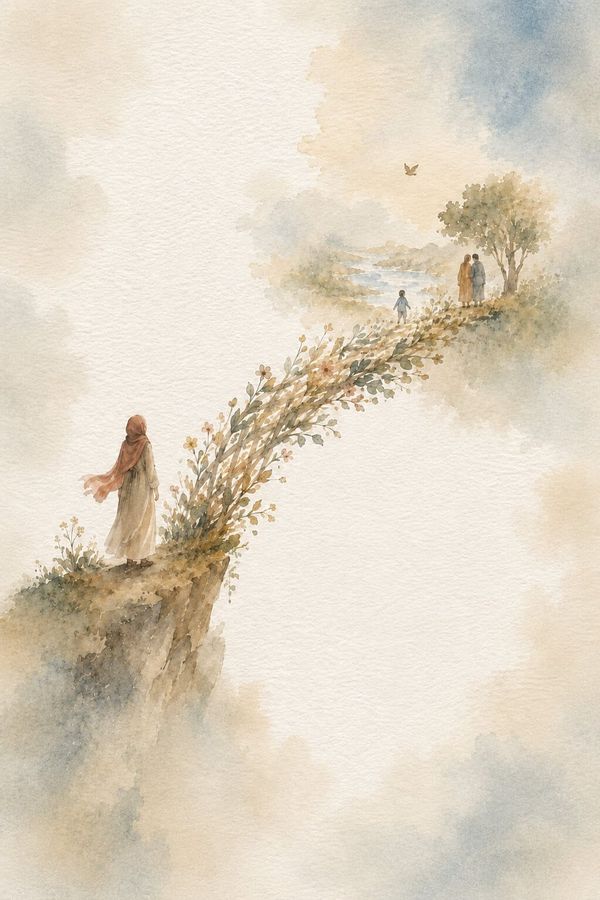
A person can carry beauty in the way they speak, forgive, listen, serve and return to Allah.
So whether the heart notices beauty in creation or recognises beauty in character, it is noticing something that points back to the Creator. Allah is the Most Beautiful, and all beauty comes from Him.
Allah loves beauty | يُحِبُّ الْجَمَالَ
The second part of the hadith tells us that Allah loves beauty.
Because the hadith begins with “Allah is beautiful,” it gives us the starting point for understanding the beauty Allah loves. It is beauty connected to goodness, truth, dignity, mercy and ihsan.
This connects directly to the companion’s question. He asked about outward beauty: clothes, shoes and looking presentable. The Prophet ﷺ answered by saying:
إِنَّ اللَّهَ جَمِيلٌ يُحِبُّ الْجَمَالَ
Allah is beautiful and loves beauty.
So the answer was not only that beautiful clothing is acceptable. The answer went further. The Prophet ﷺ connected beauty itself back to Allah.
This is also why he immediately explained arrogance as:
بَطَرُ الْحَقِّ وَغَمْطُ النَّاسِ
Rejecting the truth and looking down on people.
If outward beauty is joined with arrogance, it loses its meaning. But when outward beauty is joined with humility, gratitude, truthfulness and dignity, it becomes part of the beauty this hadith points toward.
Outward beauty in Islam
Outward beauty is the beauty people can see.
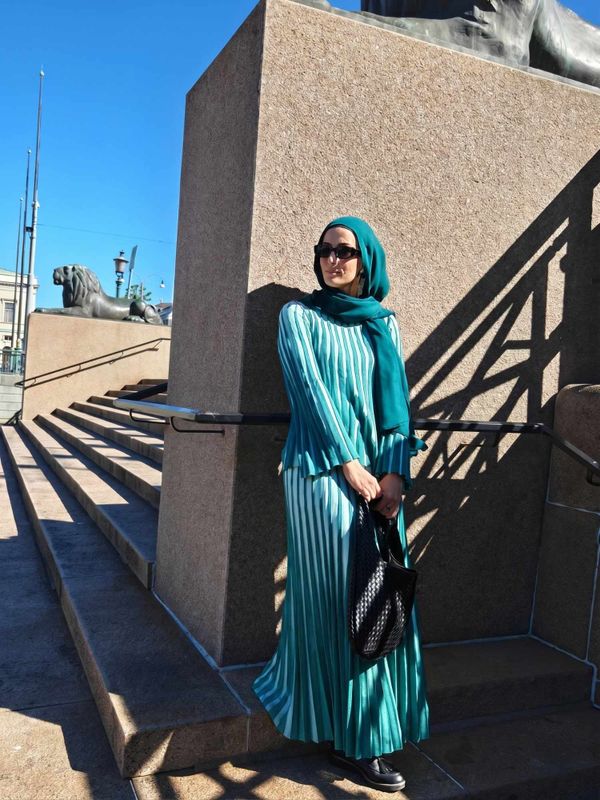
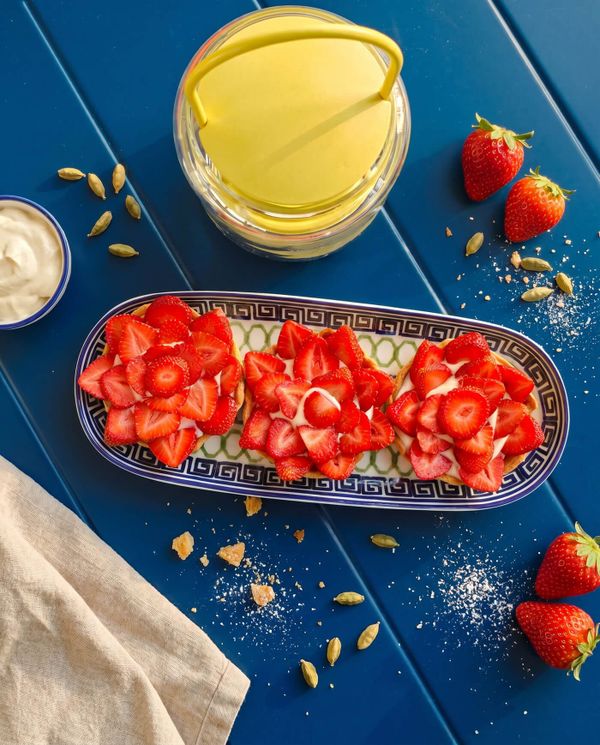
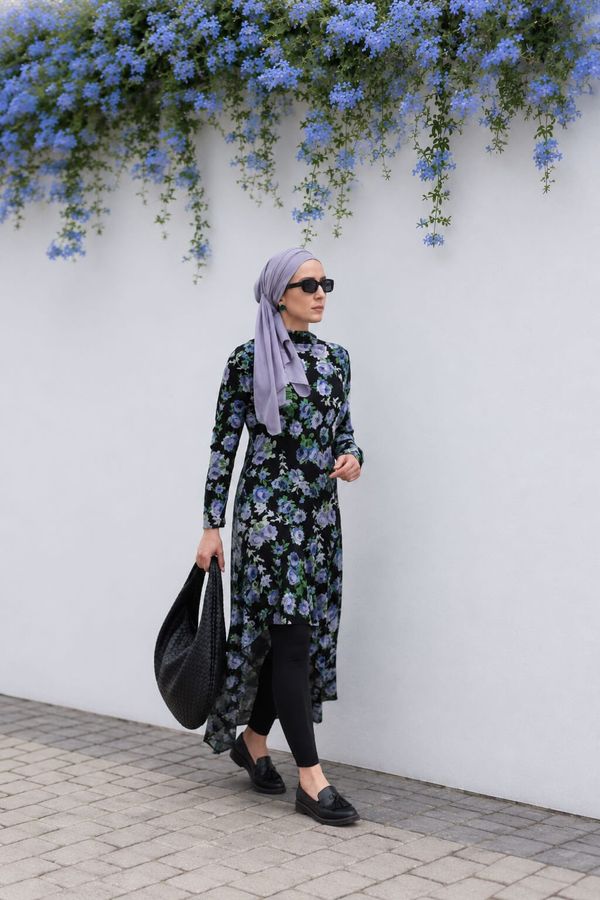
It can appear in clean clothing before prayer, in fragrance, in dressing with dignity, in preparing a home for guests, in serving food with care, or in making something patiently with the hands.
This is a form of gratitude for the blessings Allah has given. It shows care and respect for the people around us.
Inward beauty in Islam
Inward beauty is the beauty of the heart and character. It can be seen in patience, sincerity, humility, truthful speech, and the way a person treats others.
It is carried in small moments: holding back anger, listening with care, forgiving when it is difficult, and choosing dignity even when no one sees it.
That is what makes this hadith so powerful. It brings the outside and inside together: dignity and humility, beauty and truth, appearance and character.
It teaches that outward beauty and inward beauty belong together: how we present ourselves, how we treat people, how we respond to truth, and what kind of heart we are building before Allah.
Continue reading in deen & dunya
If this reflection on beauty in Islam spoke to you, you may also enjoy these Deenista posts:
- why Allah swears by the fig and olive in the Quran
A reflection on Quranic fruits, symbolism, nourishment and the signs Allah places in creation. - the importance of bees in islam and their meaning in the Quran
A deeper look at Surah Al-Nahl, harmony in creation, and what the bee teaches us about purpose and blessing. - قَدْ أَفْلَحَ مَن زَكَّاهَا | Quran’s definition of success
A Quran reflection on success, purification of the soul, and what it means to grow inwardly. - they are garments for you (Quran 2:187)
A reflection on libās, marriage, protection, intimacy and the way the Quran uses clothing as a deeply human image.