

Childhood gifts from Makkah
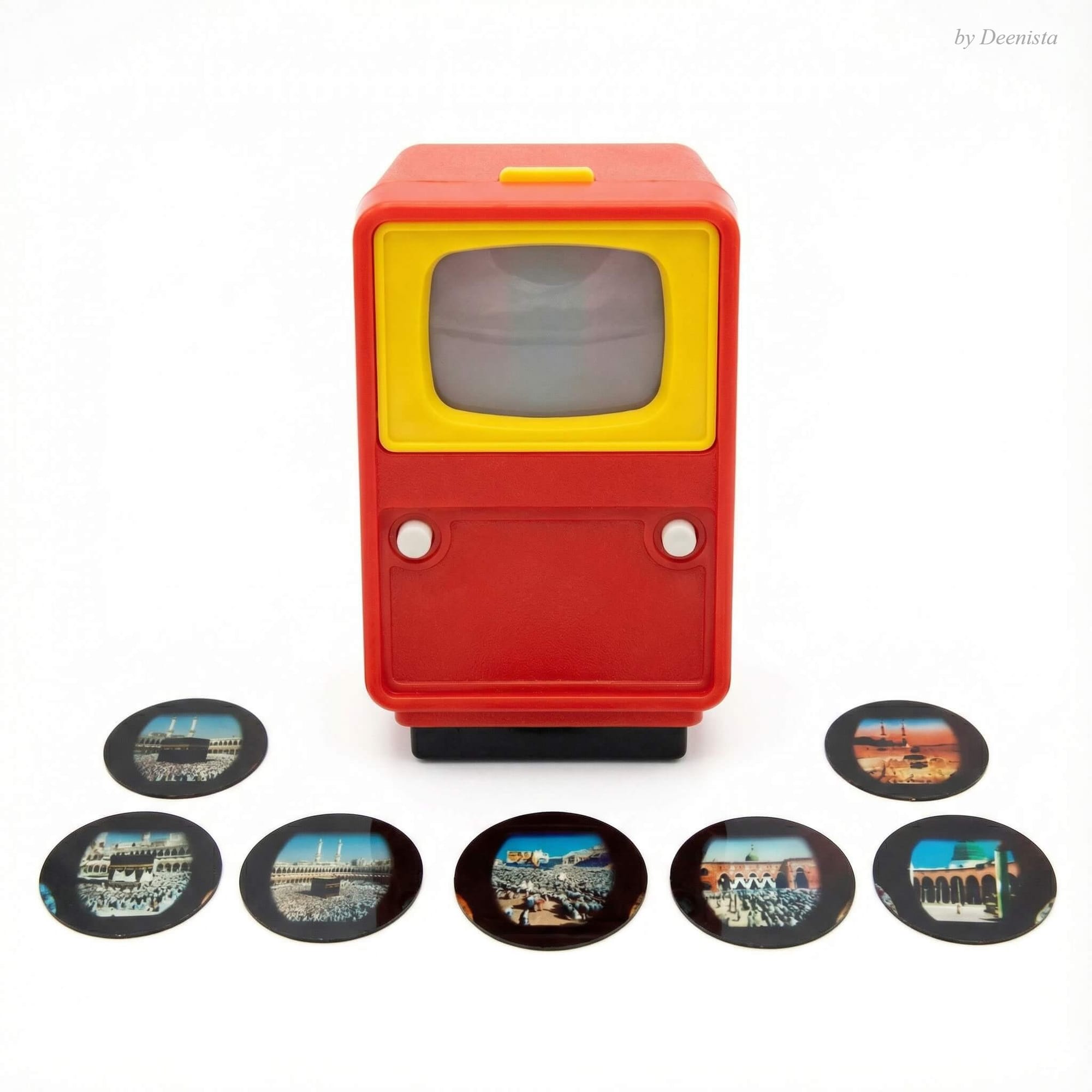
If you grew up in a Muslim household, you may remember the excitement when relatives returned from Makkah with gifts. There were the little red toy viewers showing slides of the Kaaba and Masjid al-Haram. And for the older girls, there was another classic souvenir: the green Makkah lipstick.
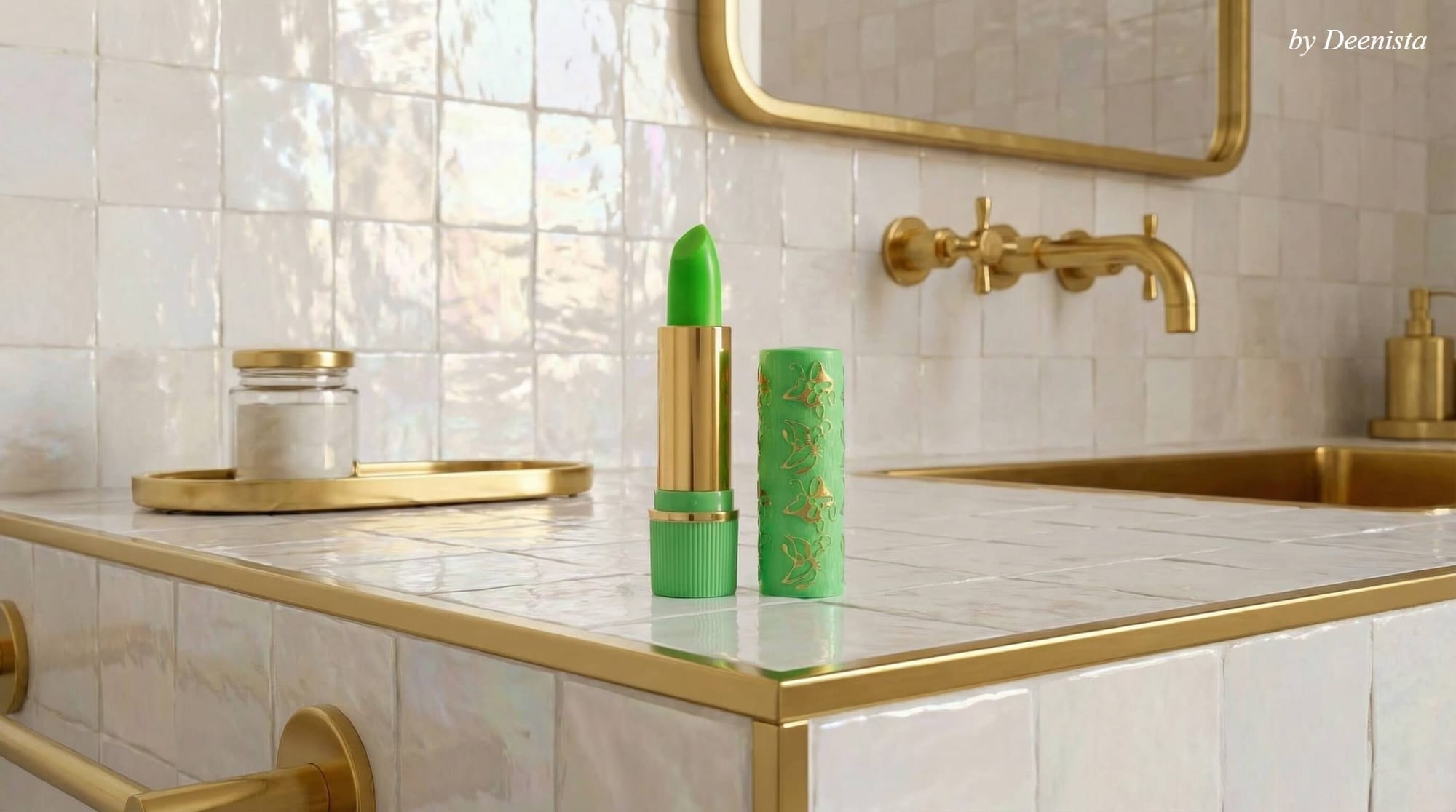
A simple fluorescent-green tube that looked almost playful, yet transformed into a natural pink tint on the lips. For many, it became part of the shared memory of pilgrimage gifts: humble, affordable, and strangely perfect.

What exactly is the Makkah lipstick?
The Makkah lipstick is not just a cosmetic item; it’s a small part of the informal gift culture surrounding Hajj and Umrah. For decades, you could find it in the modest beauty shops and market stalls around Makkah stacked in boxes, sold in twos or threes, and always recognisable by its bright green tube.
What made it so beloved was its simplicity. You applied it and, within seconds, it developed into a soft pink that stayed on the lips for hours. It didn’t smudge, didn’t need touching up, and somehow looked slightly different on every person. For many travellers, it became an easy, thoughtful gift to bring home: affordable, useful, and with a touch of novelty.
Browse the Deenista shop: Original Islamic-inspired artwork and meaningful pieces for your home.
Today, people look for it under all sorts of names: Makkah lipstick, Mecca lipstick (SEO term), Saudi green lipstick, magic lipstick, colour-changing lipstick, mood lipstick, even the fluorescent green lipstick from Saudi.
Different names, same unmistakable product.
How the Makkah lipstick really works
The tube is green, but the colour itself comes from a classic dye used for decades in traditional “magic” lipsticks: most commonly Red 27 or Red 21.
- In the tube, this dye is almost colourless.
- When it touches the moisture and natural oils of the lips, it activates.
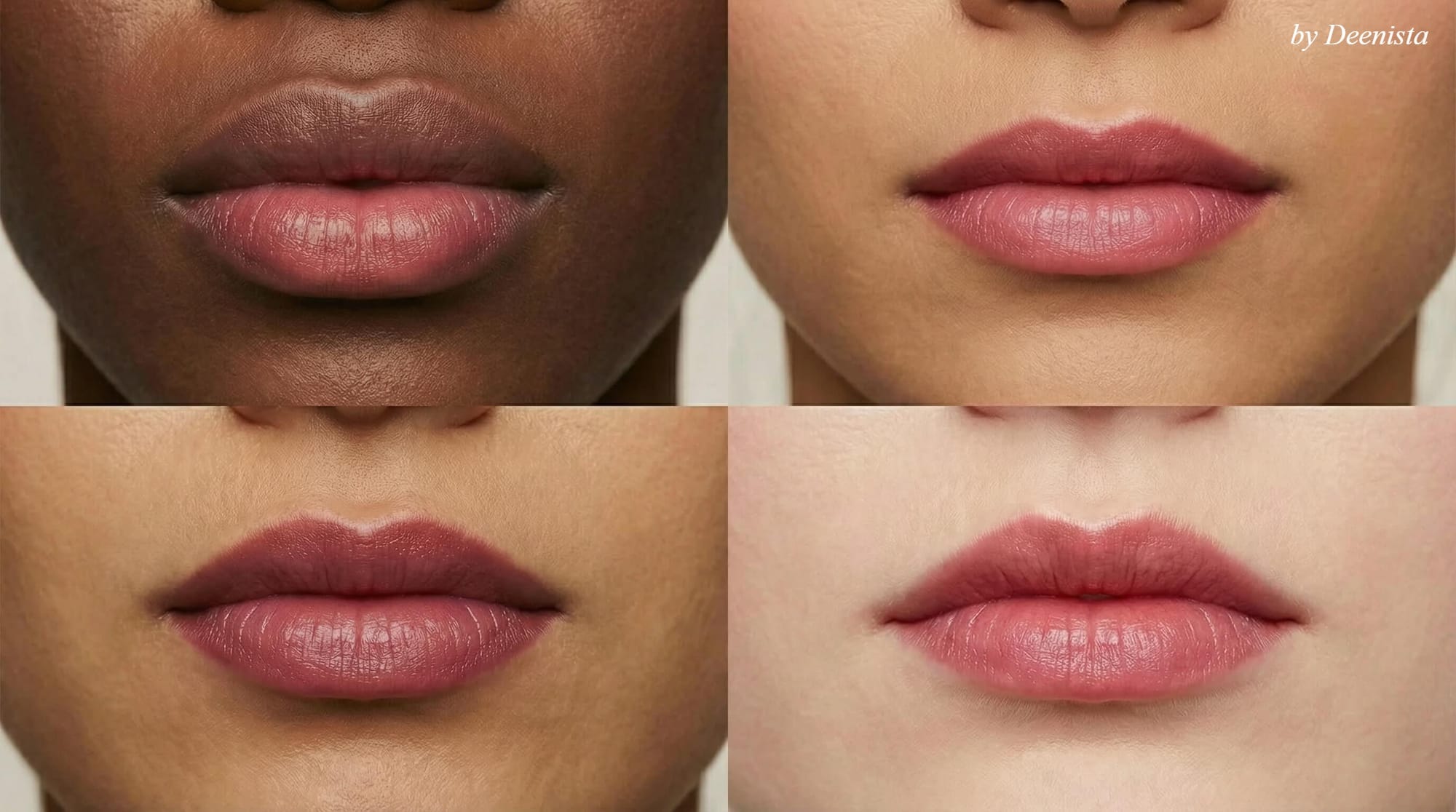
- It then develops into a rosy stain that binds lightly to the skin.
Because everyone’s lips differ in moisture levels, natural oils, and temperature, the final shade varies slightly from person to person.
Looking for more? Our fashion and beauty section offers thoughtful pieces on style, culture and identity.
Why brands say the Makkah lipstick “reacts with your pH”
The phrase “reacts with your pH” is simple, familiar, and easy for consumers to understand.
It sounds technical without requiring much explanation.
In reality, the colour change comes from moisture activation, not pH.
But because the claim is widely recognised, even luxury brands use it for their modern colour-changing balms.
The underlying chemistry, however, remains almost identical to the old Makkah lipstick.
Is the Makkah lipstick safe?
Generally, yes. The dyes used (such as Red 27) are approved for cosmetic use.
Still, it’s wise to:
- test a small amount first if you have sensitive skin
- avoid using it on cracked or irritated lips
- stop using it if you experience itching or discomfort
Most people use it comfortably without issues.
Why some people feel a light tingle when applying the Makkah magic lipstick
Some users notice a mild tingling sensation during the first few seconds of application. This is usually harmless and can come from two things:
1. The dye activating on the lips
As the colour-forming dye begins binding to the top layer of the skin, a light sensation can occur.
This is common with many long-lasting stains.
2. Fragrance or perfumed oils in the formula
Traditional Makkah lipsticks often include scented oils.
If your lips are slightly dry, these can briefly create a warm or tingling feeling.
As long as the sensation is gentle and fades quickly, it is considered normal for this type of product. If it becomes sharp, itchy, or persistent, then you may have a mild sensitivity.
Is the Makkah magic lipstick a lip stain?
Functionally, yes.
The Makkah lipstick behaves like a lip stain, not a traditional lipstick.
This explains why:
- it survives meals
- feels very light
- fades naturally
- leaves a long-lasting tint
Other names for the Makkah magic lipstick
Across different regions, it’s known as:
- Magic lipstick
- Mood lipstick
- Colour-changing lipstick
- Green Hajj lipstick
- Saudi green lipstick
- Pink-tint lipstick from Makkah
- 90's lipstick
Each term describes the same nostalgic product.
Modern versions of the Makkah lipstick
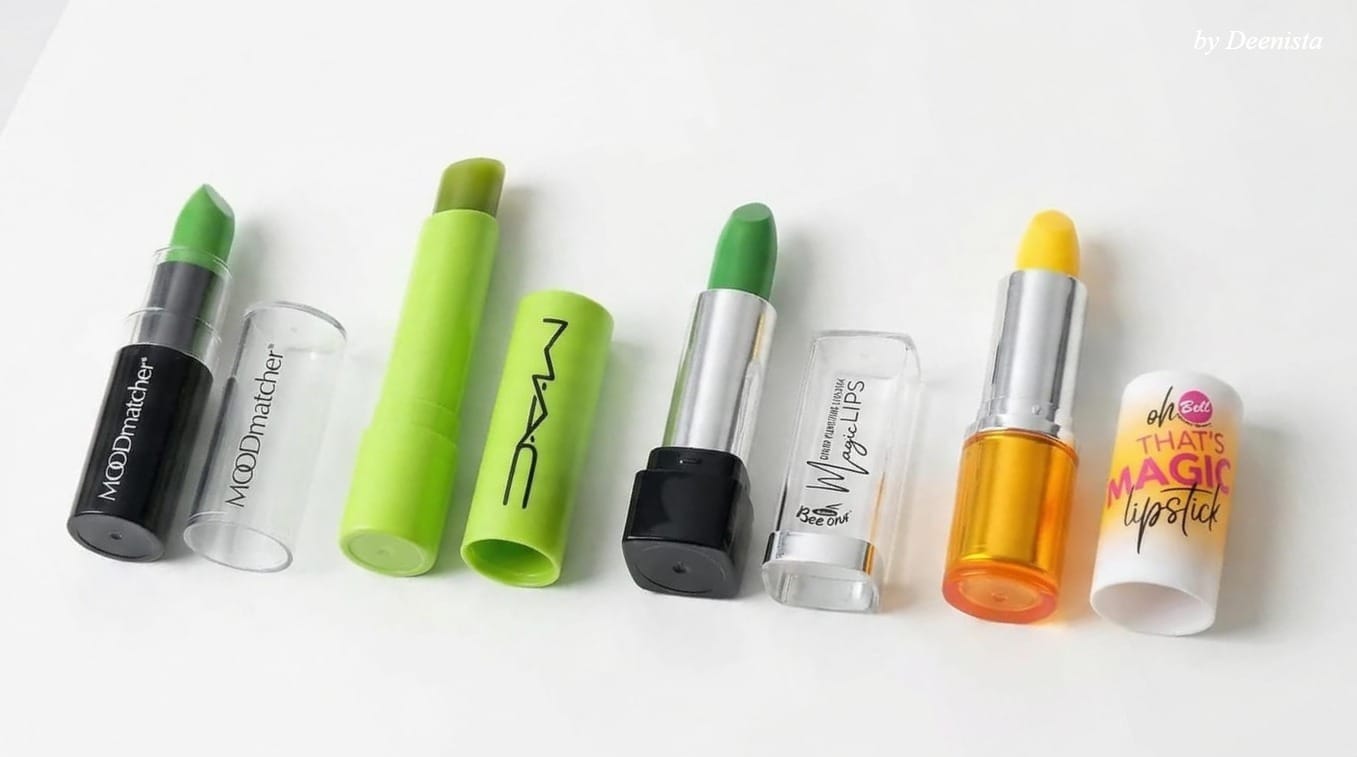
Many brands today sell “personalised colour” lip balms that claim to adjust to your lips. They appear clear, purple, or pale in the tube and turn pink after application.
These products are beautifully packaged and marketed well and often priced higher than the original Makkah green lipstick (also known as the mecca lipstick).
But the core mechanism?
Almost identical to the classic Makkah lipstick that aunties once brought home from pilgrimage.
Sometimes the simplest version remains the most charming.
Modern versions may come in glass tubes and elegant packaging, yet the charm of the original remains. It reminds us of a time when gifts were uncomplicated, thoughtful, and carried across long journeys. A simple tint with a history and still, for many of us, the most beautiful one.

Explore more on Muslim living: Reflections on culture, heritage, and everyday life through an Islamic lens.


