

Creating Islamic geometric art can feel intimidating. Many patterns look complex, technical, or difficult to plan, especially if you’re not trained in geometry or design.
But Islamic geometric art was never meant to be inaccessible. At its core, it is built on repetition, balance, and continuity. With the right tools, it becomes possible to create patterns intuitively, without measuring grids or drawing guidelines.
This post explores simple, practical ways to create Islamic geometric art at home, using repeatable patterns for everyday projects, home decor, and seasonal moments like Ramadan and Eid.
An easy way to create Islamic geometric patterns without drawing
One of the most common searches around Islamic art is how to create geometric patterns easily. Many people want the visual language of Islamic art without learning construction rules or drafting systems.
Stamping offers a direct solution.
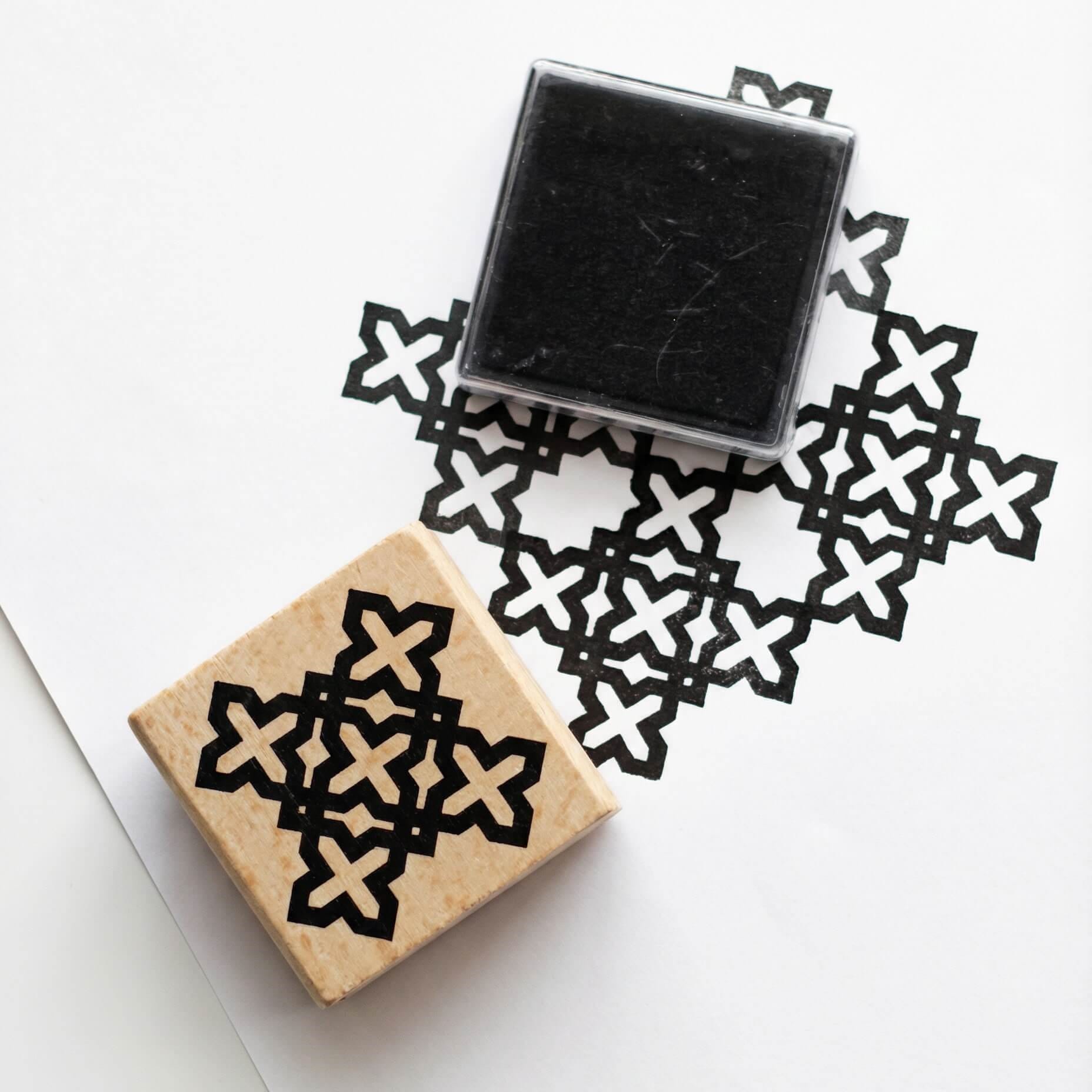
Islamic geometric pattern stamp set
This set of Islamic geometric pattern rubber stamps is designed to be used again and again, across seasons, occasions, and creative projects. Rather than serving a single purpose, the stamps invite reuse, from everyday art-making to Ramadan and Eid preparations.
By repeating a single geometric form, rotating or mirroring it as you go, patterns begin to form naturally. This mirrors how traditional Islamic tiles and architectural motifs work, not as single images, but as systems that continue.
This approach allows you to focus on rhythm and spacing rather than precision, making Islamic geometric art accessible even for beginners.
Islamic art DIY ideas for simple postcards and paper projects
Islamic geometric patterns work especially well on paper. They don’t rely on text, illustration, or colour, which makes them suitable for many uses.
Stamped patterns can be used to create:
- thank-you postcards
- greeting cards
- envelopes
- small notes included with gifts
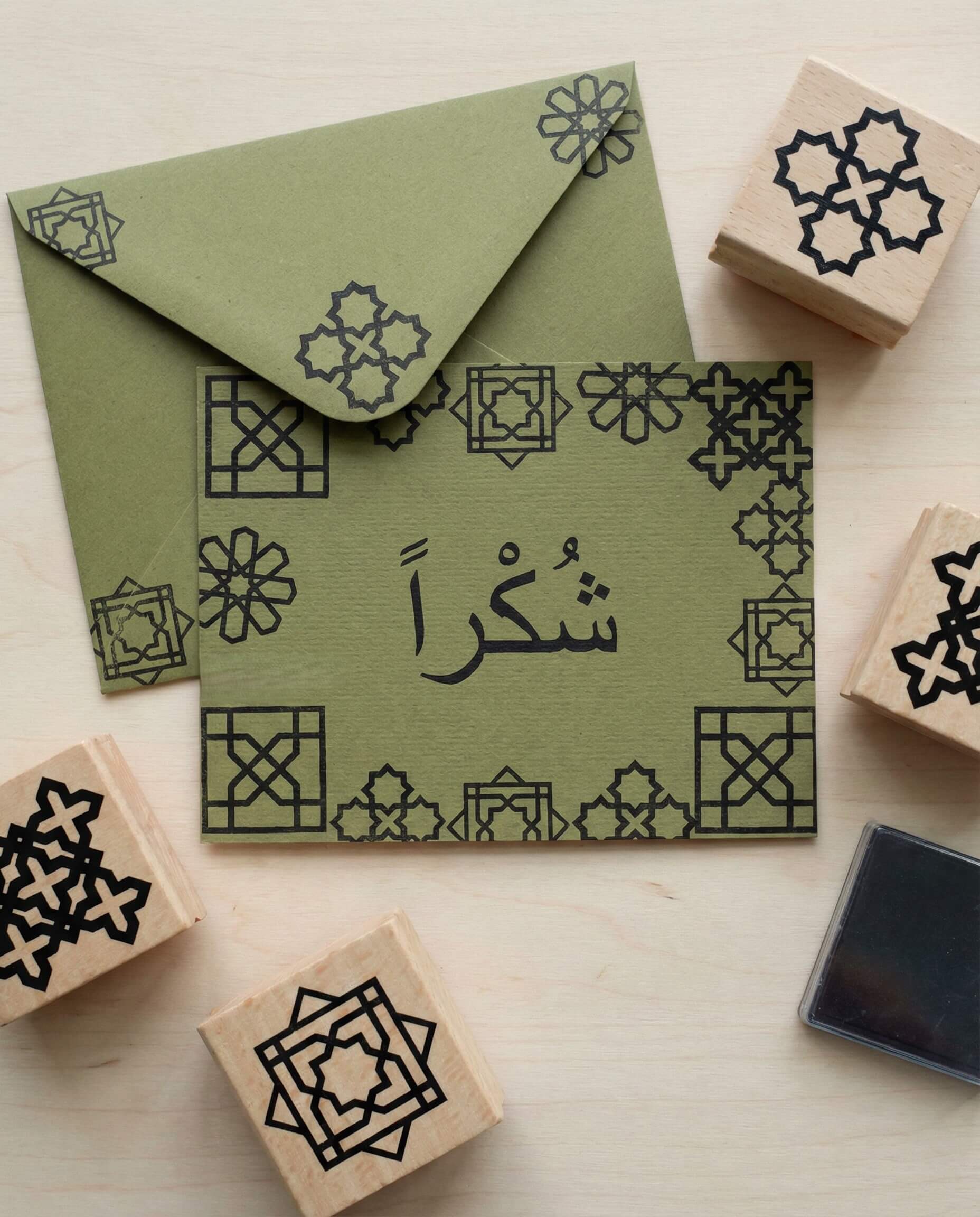
A simple geometric pattern stamped once or repeated along an edge is often enough. The result feels intentional without being decorative for decoration’s sake.
This kind of DIY Islamic art is practical, personal, and easy to repeat whenever needed.
Creating meaningful Islamic artwork for the home
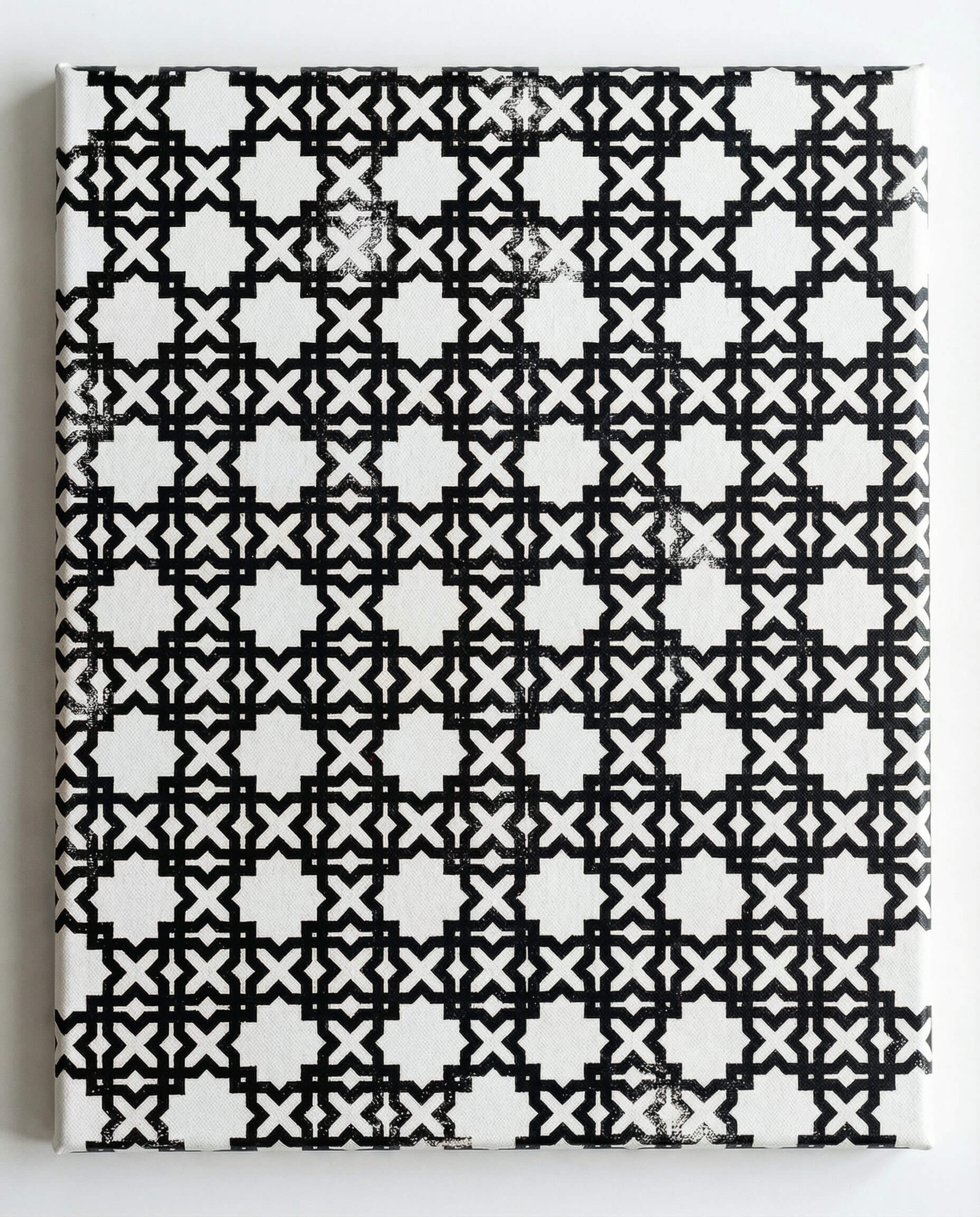
Geometric patterns are often associated with architecture, but they translate naturally into contemporary wall art.
Using stamps on paper or canvas allows you to build a composition slowly, responding to the pattern as it develops. Some people prefer dense repetition; others leave space between forms. Both approaches are valid within Islamic design language.
Stamped artwork can become:
- framed wall pieces
- pattern studies
- small artworks placed in quiet corners of the home
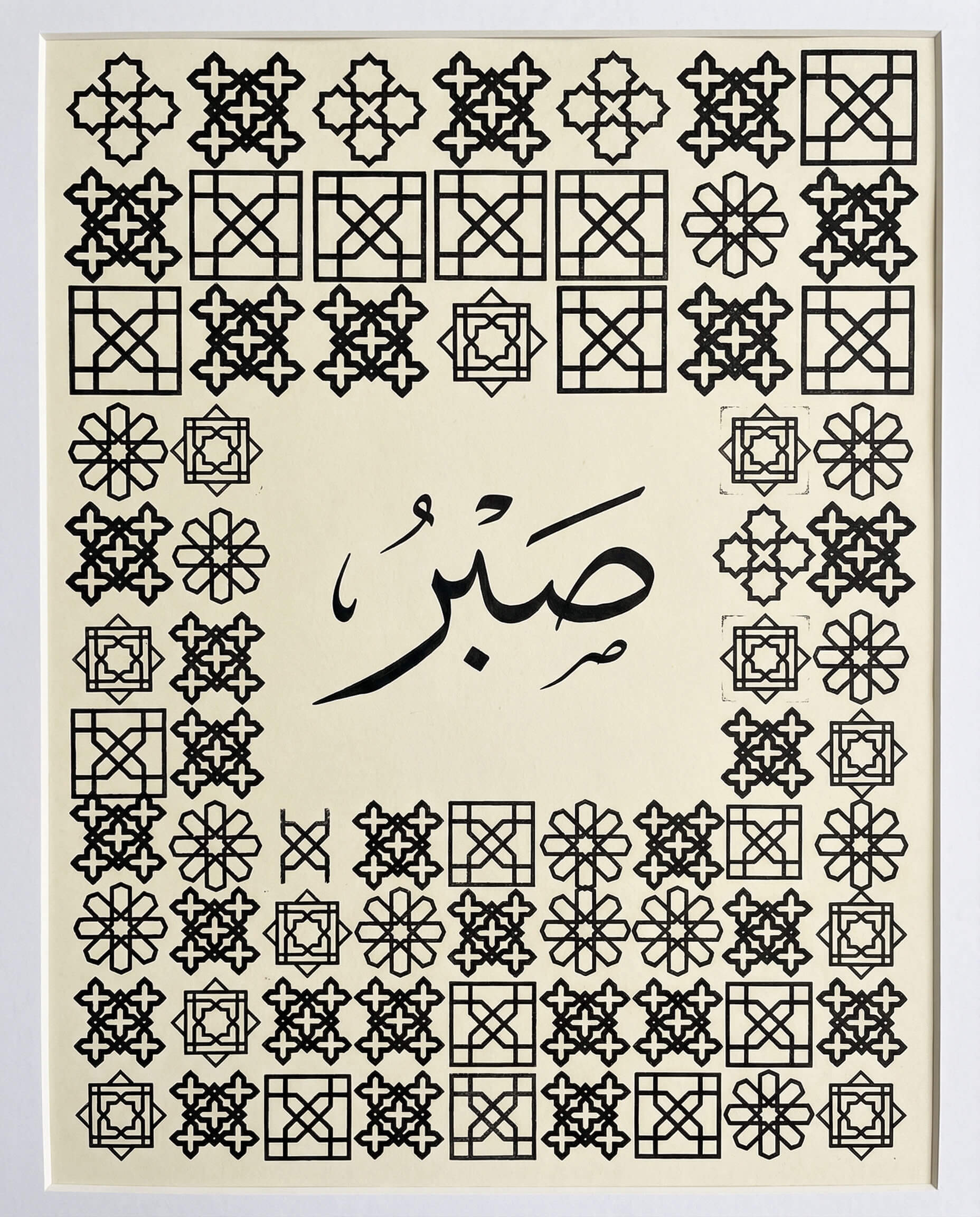
Because the process is repeatable, you’re not limited to a single outcome. The same tools can produce very different results depending on how they’re used.
Islamic geometric patterns for home decor and table settings
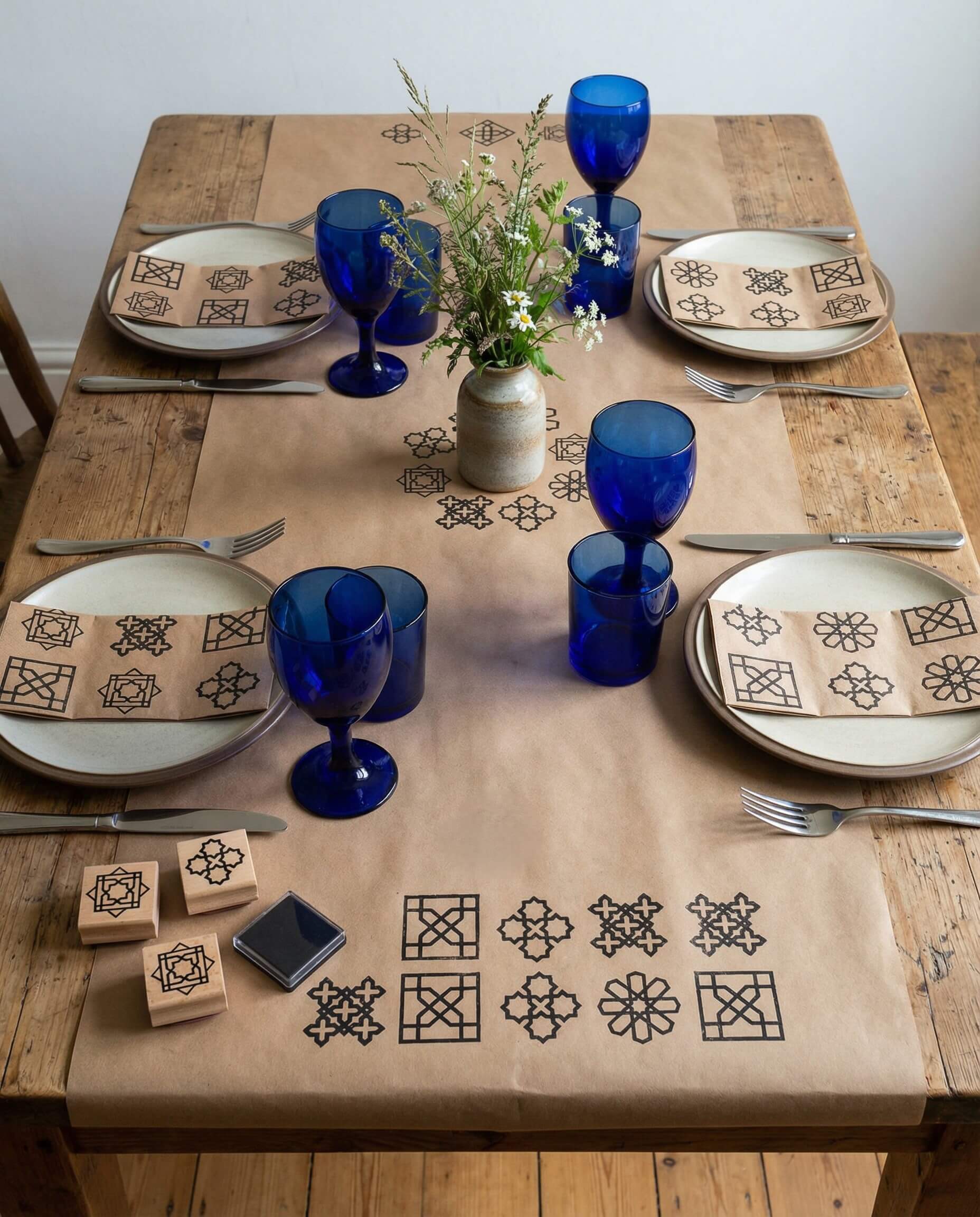
Another common search relates to Islamic home decor, especially for gatherings and shared meals.
Geometric stamps can be used to decorate:
- paper table runners
- napkins
- placemats
- tissue paper
This is particularly useful for occasions where disposable paper is already being used. Stamping allows you to personalise the setting without buying single-use decorations, keeping the result understated and practical.
The patterns add visual rhythm without overwhelming the table
Simple Islamic pattern DIYs for gifts and personal occasions
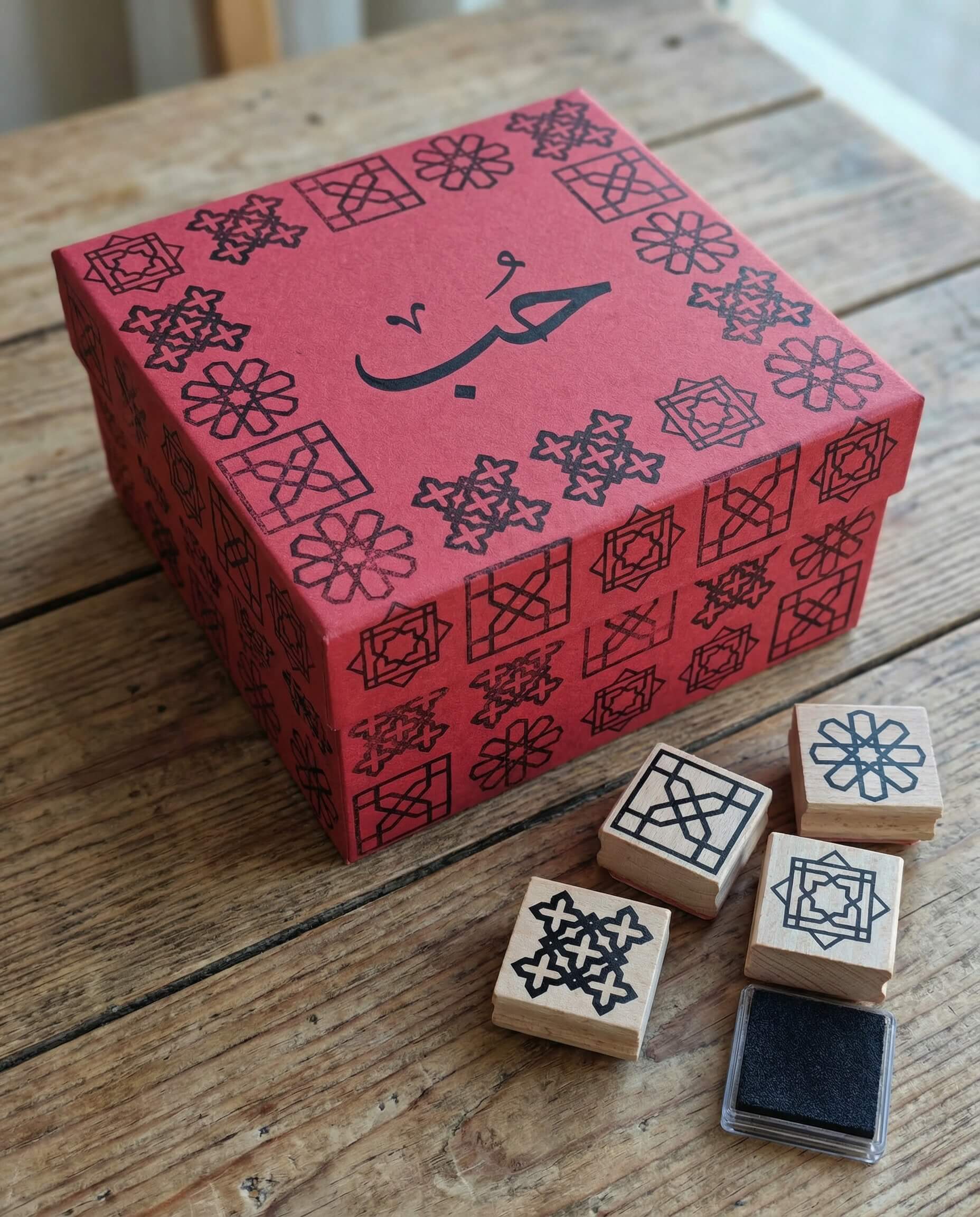
Islamic geometric art doesn’t need to be formal or serious. It can also be playful and intimate.
Stamped patterns work well for:
- small gift boxes
- wrapping paper
- personal notes
For personal occasions, geometric patterns work well because they are neutral and flexible. The same stamps can be used for gift boxes, wrapping paper, or small notes, without relying on images or specific themes.
Because the stamps are reusable, they work well for personal gifts without creating unnecessary waste.
How to create your own Ramadan decorations at home
During Ramadan, many people look for ways to decorate the home while staying mindful of waste.
Islamic geometric patterns are especially suited to Ramadan decor because they:
- feel rooted in tradition
- work across paper, fabric, and card
- can be reused year after year
Stamped patterns can be used to create:
- Ramadan calendars
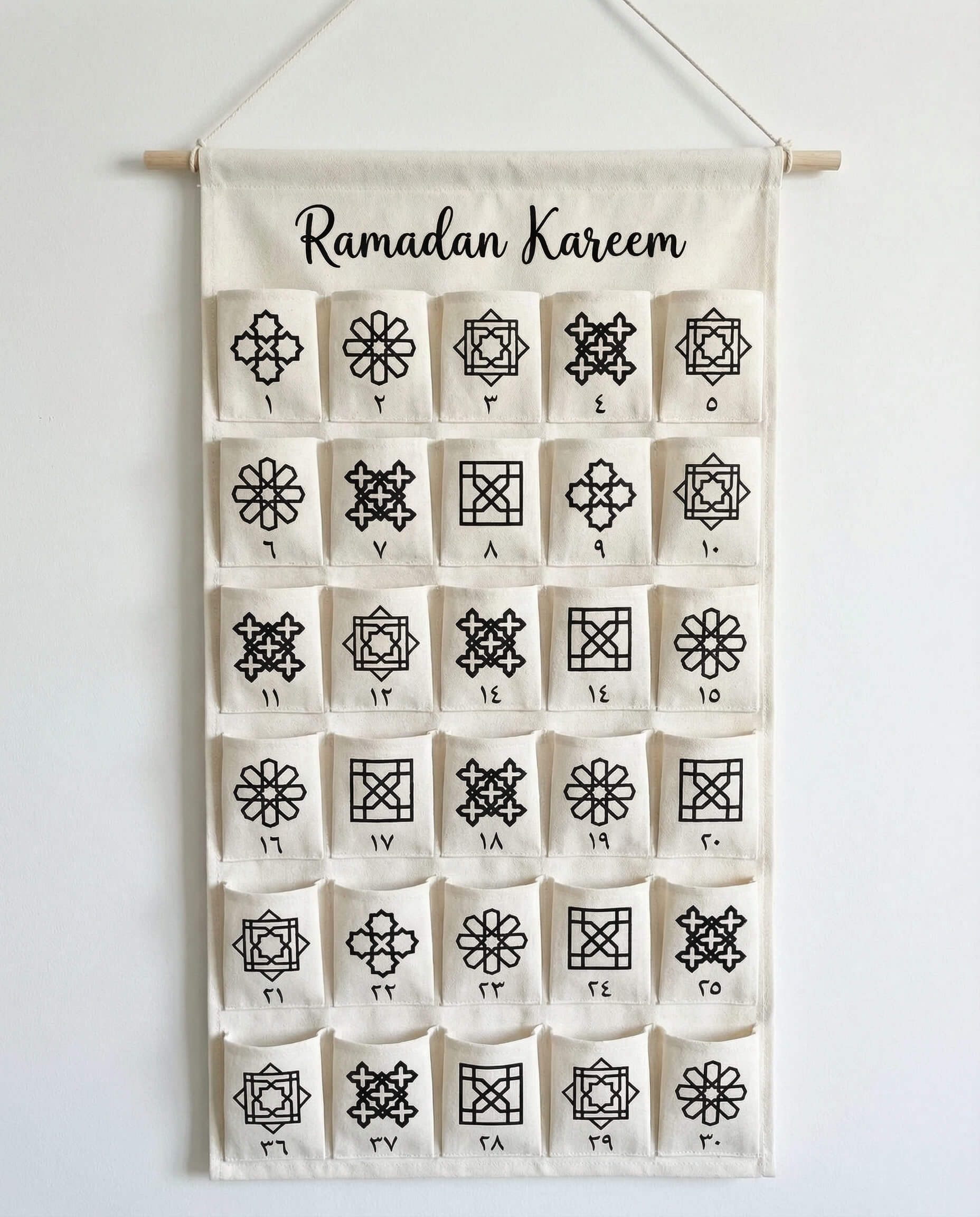
- paper decor for walls or tables
- simple Ramadan Kareem cards
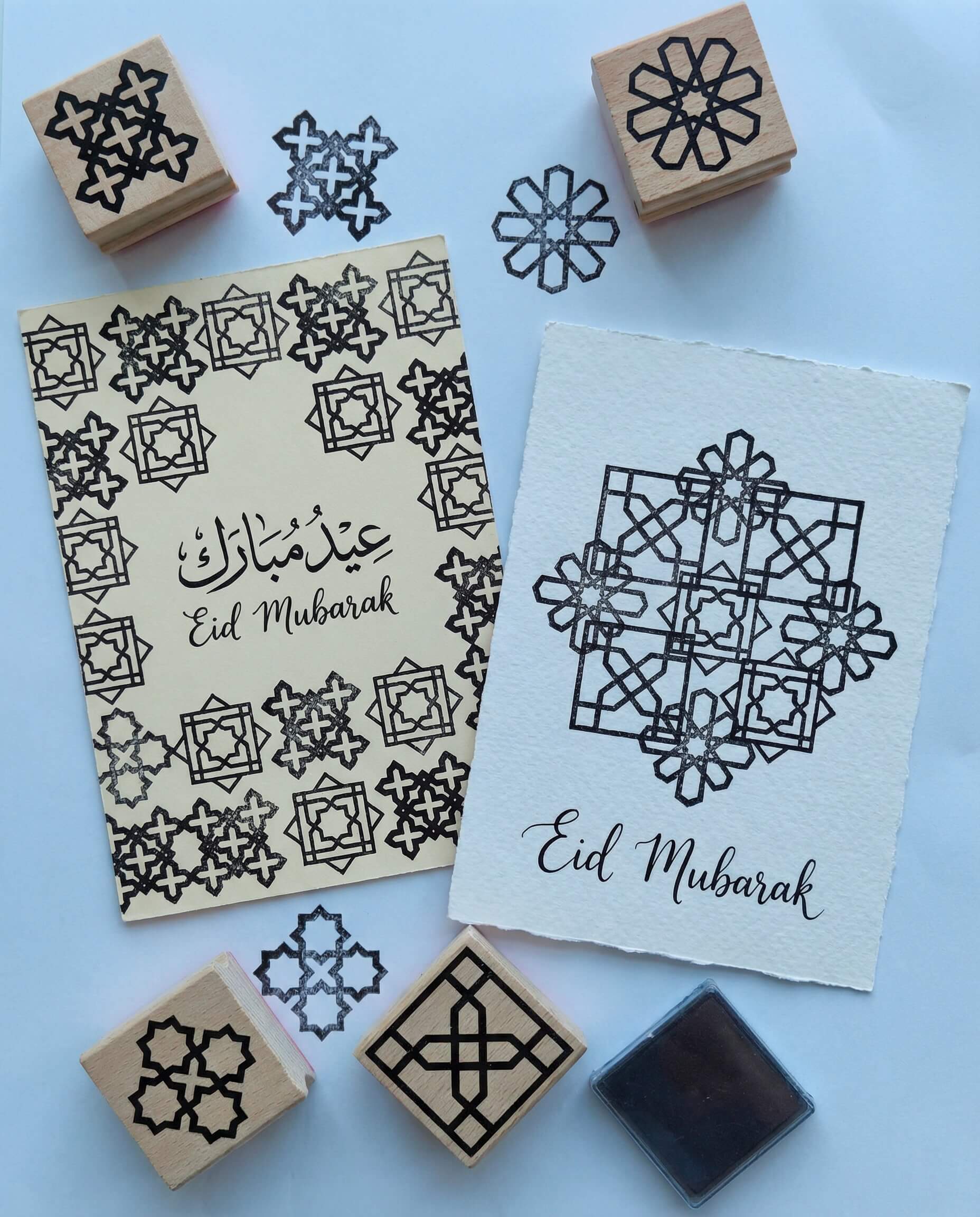
Rather than buying new decorations each year, reusable tools allow you to adapt what you already have and create what you need in the moment.
Islamic geometric stamp set: one tool for art, Ramadan décor, and everyday DIY
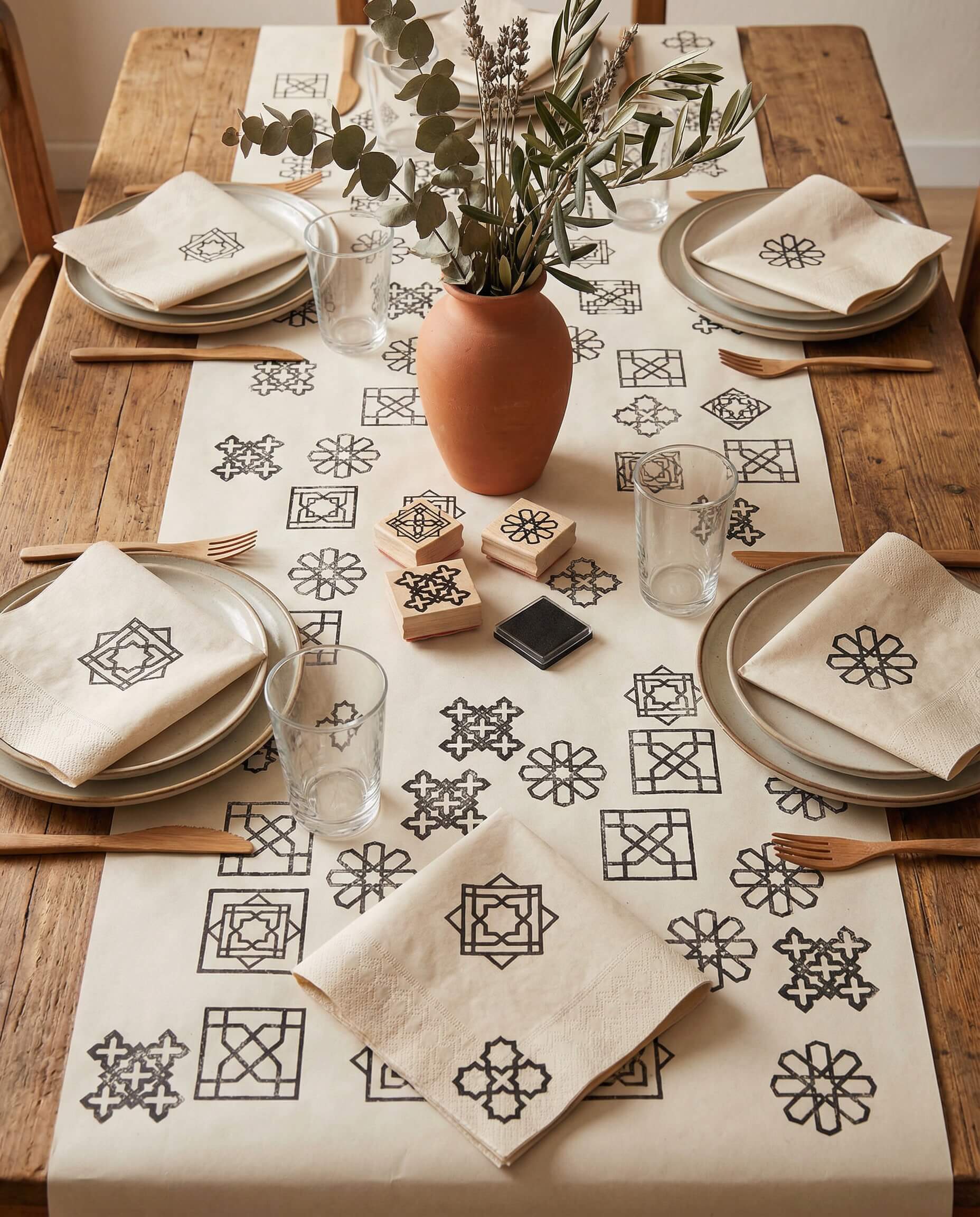
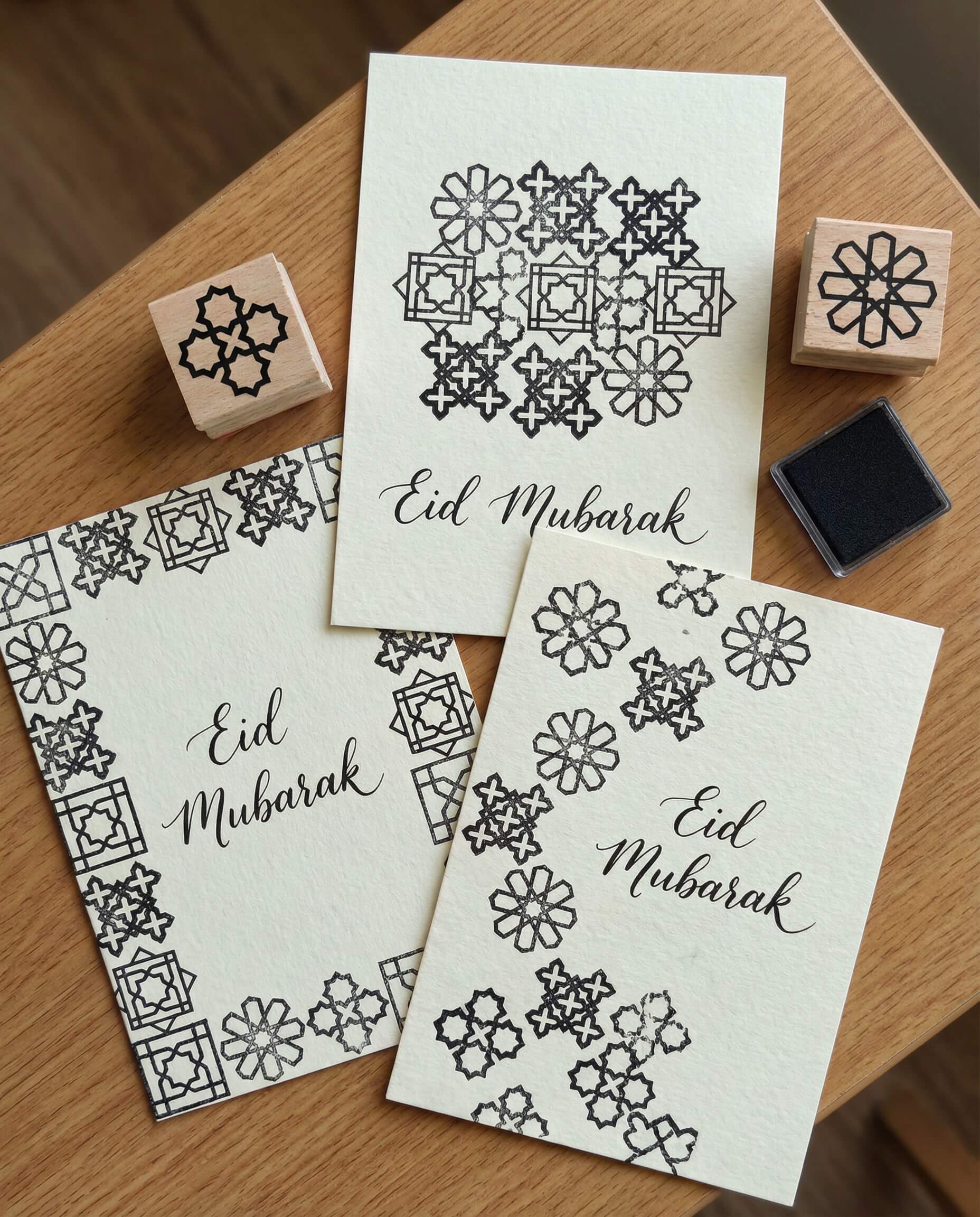
One stamp set, used in different ways: from everyday table settings to handmade Ramadan and Eid cards.
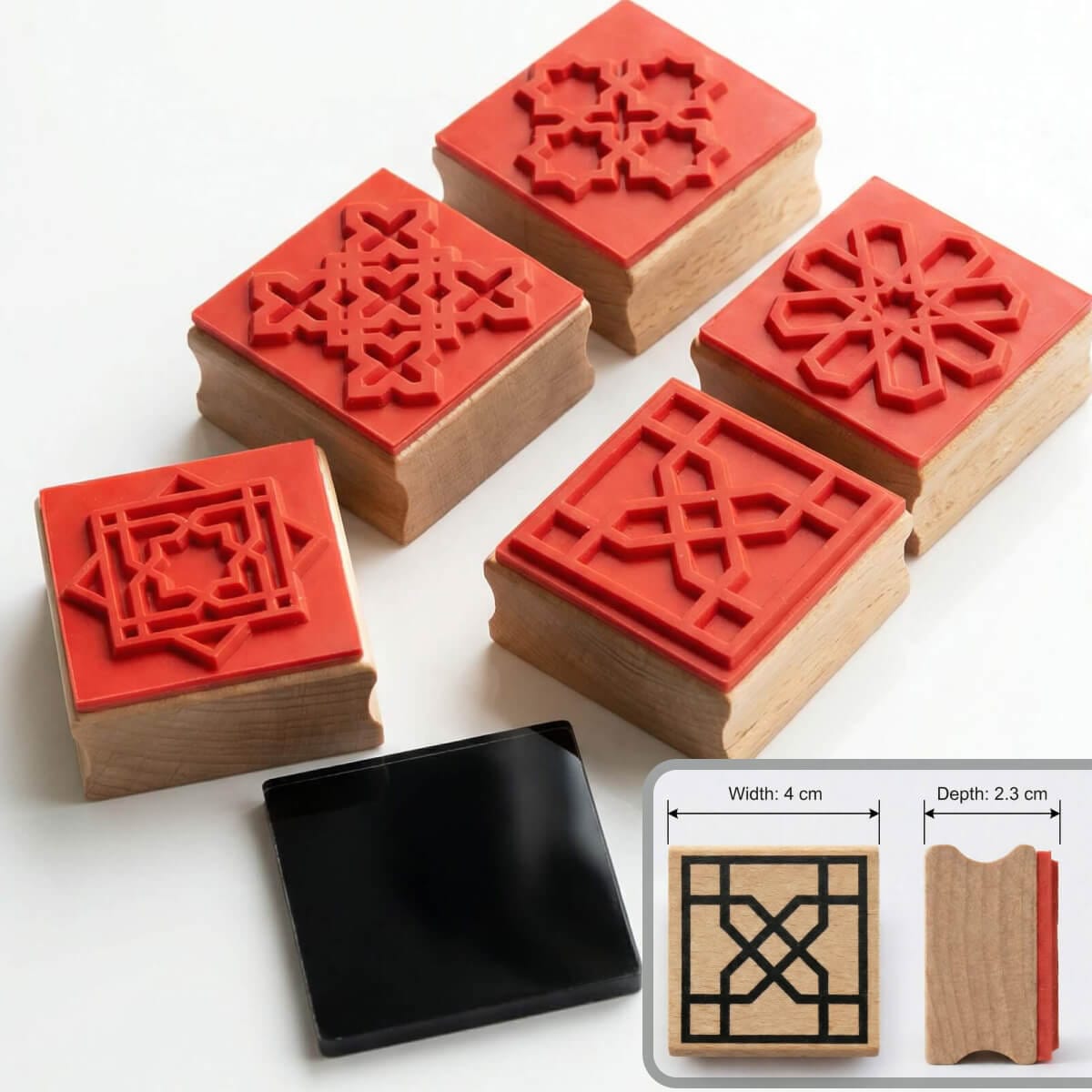
All of the examples shown here were created using the same Islamic geometric pattern rubber stamp set from the Creative Studio collection.
The set includes five geometric stamps and a black ink pad, designed for repeated use across paper, canvas, and light packaging. The patterns are inspired by classical Islamic geometry and sized for everyday DIY projects.
The intention behind the set is simple: one tool that can be used again and again, across everyday life and seasonal moments.
→ View the Islamic geometric pattern stamp set
Why reusable tools matter in Islamic art practice
Islamic teachings emphasise care, restraint, and responsibility towards ourselves, our communities, and the world we live in. Ramadan, in particular, is a time when excess is consciously reduced, whether in food, consumption, or daily habits.
In recent years, interest in Muslim home décor has grown, especially around Ramadan. Much of what is available, however, is designed for short-term use and quickly replaced.
This stamp set was created as an alternative. A reusable tool that encourages making rather than buying, and that can be used year after year without creating unnecessary waste.
It is a simple approach, but one that sits naturally with the values that shape the month.
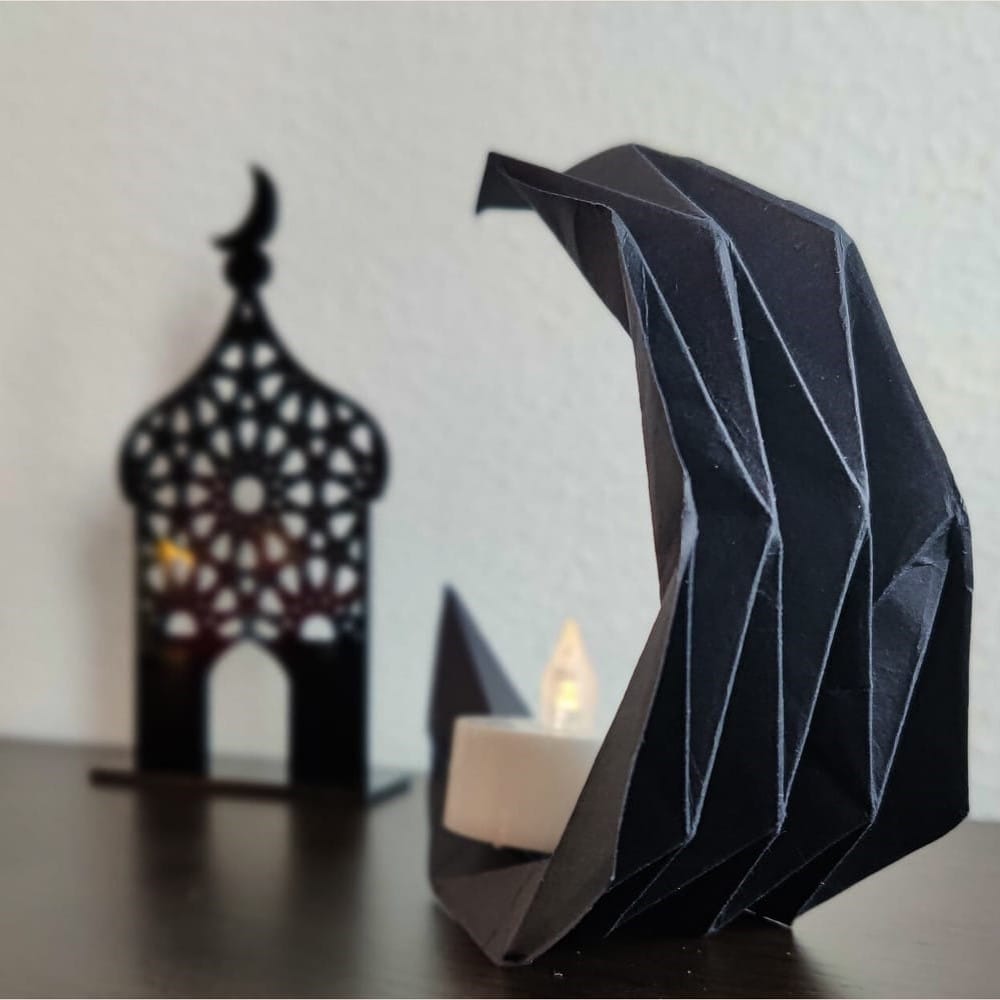
Read our guide to simple Ramadan decorations you can make with your kids.


